
The new year brought some significant changes to the West Virginia Housing Development Fund’s mortgage programs.
As of January 5, borrowers can expect to see lower interest rates as well as increased income and sales price limits in our Movin’ Up Program. Additionally, existing manufactured doublewide units constructed after 1976 are now eligible for financing through both Movin’ Up and Homeownership programs.
The Movin’ Up Program was created in 2014 to provide a pathway to affordable homeownership for moderate-income first-time or repeat buyers. Unlike our signature Homeownership Program, Movin’ Up is not financed by the sale of tax-exempt mortgage revenue bonds, providing the Fund with some flexibility in how the program is structured.
“These changes will allow us to serve more West Virginia home buyers and manage our resources more efficiently,” said Nathan Testman, the Fund’s Interim Executive Director. “We’re always looking at ways to update our programs in response to changes in the market and the housing needs in
West Virginia. We are very excited for these updates and hope these changes allow many more West Virginians to become homeowners.”
Recent changes include:
- Established one statewide income limit to $171,120 for Movin’ Up borrowers, regardless of household size.
- Established a statewide sales price limit to $350,000 for Movin’ Up borrowers. These limits are no longer determined by the county in which the subject property is located.
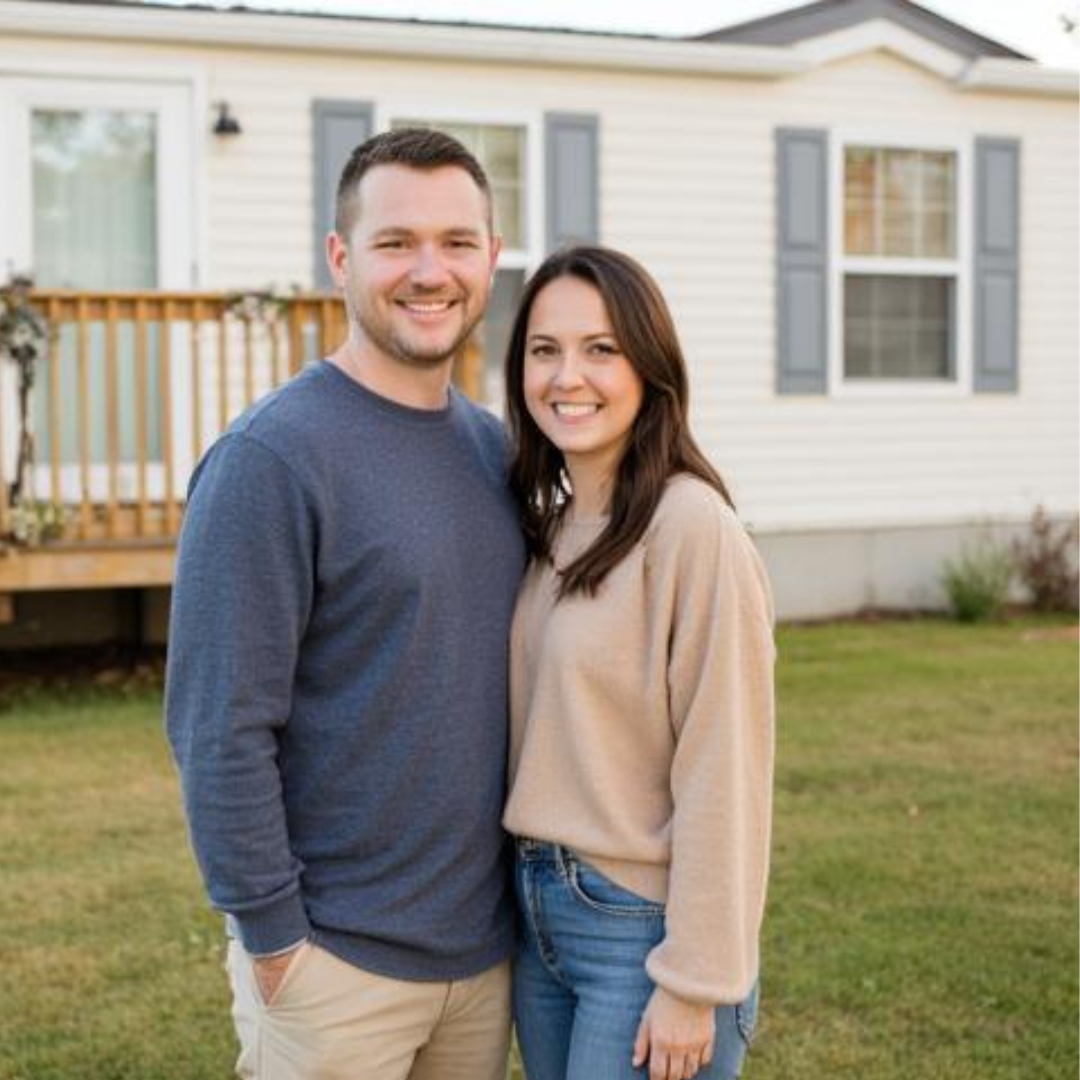
- Existing double wide manufactured homes constructed after June 15, 1976, are now considered eligible dwellings for both Movin’ Up and Homeownership borrowers. Previously, only new manufactured housing was considered eligible.
Both Homeownership and Movin’ Up offer competitive interest rates, down payment and closing cost assistance through the Low Down Home Loan, and local loan servicing.
Jon Rogers, Senior Division Manager of Single-Family Lending for the Fund, explained that allowing existing manufactured homes will help make homeownership a reality for many West Virginians.
“Often, buyers struggle to find good financing options for existing manufactured housing,” he said. “By expanding our guidelines to include this type of housing into our programs, borrowers can access interest rates that are typically lower than they’d find through another lender, as well as down payment and closing cost assistance available to our other borrowers. This really presents a better financing option for those whose choice of housing may be an existing manufactured home.”
Researchers found in the Housing Needs Assessment for the State of West Virginia 2025, commissioned by the Fund, that manufactured homes account for more than 10 percent of all available housing in most of the state’s 11 Planning and Development Council regions. As mortgage rates and monthly payments have increased over the past few years, manufactured homes are often the most affordable option for many first-time home buyers, especially in more rural counties.
“Housing affordability and accessibility continue to be challenges not just in West Virginia, but nationwide,” Rogers said. “Our mission is to expand access to affordable housing across the state, and homeownership certainly plays a part in that. We’re hopeful these program updates open more opportunities for West Virginians to achieve their dreams of affordable homeownership.”